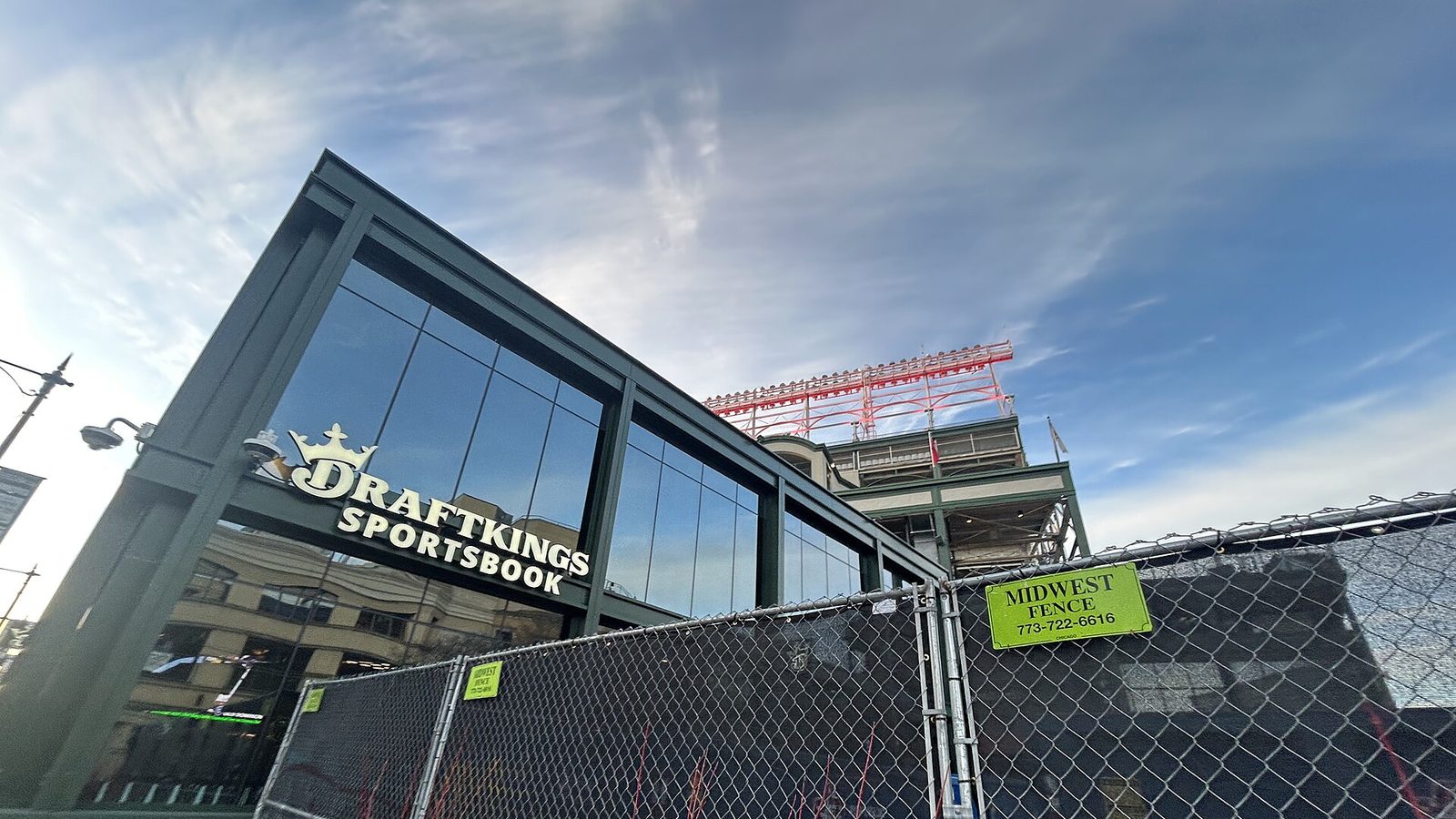
This was never a quarter problem. It is a margin ceiling problem. DraftKings issued 2027 guidance that undershot what analysts had built into their models, and the stock fell hard on the print. A guidance miss two years out is not noise about one bad month of parlay outcomes. It is management telling the market, in its own numbers, where the structural ceiling on this business now sits.
The fact pattern is simple. DraftKings reported results and gave a forward outlook for 2027 that came in below consensus. The shares dropped sharply in response, the kind of move that happens when a multi-year guide, not a single quarter, gets repriced.
Why a long guide matters more than a quarter
A single quarter can miss because of bad luck: favorites covered, parlays hit, hold rate compressed for 90 days and reverts next quarter. Investors can look through that. A multi-year guide is different. It is management's own statement about the structural economics of the business: expected hold rate, the promotional spend required to hold market share, customer acquisition cost as the market matures, and the tax rate operators expect to pay. When that number comes in soft, the company is telling you it sees the same pressure building that the market has started to price into competitors and into the broader online gambling tax environment. That is a statement about the ceiling on the business, not about variance in outcomes.
The transmission mechanism from here is straightforward. A guidance cut of this kind resets the multiple the market is willing to pay on forward earnings, because the growth assumption underpinning that multiple has just been revised down by the company itself. Options markets react immediately: implied volatility on the name spikes, skew steepens as downside protection gets bid, and market makers who were short gamma into the print now have to re-hedge a repriced distribution. None of that is unique to DraftKings. It is what happens any time a bellwether resets the growth assumption for an entire category.
The second order effect: this is a category read, not a company read
Here is the bolder claim: the market should read this guide as evidence about the entire regulated online betting category, not just one operator. DraftKings carries the tax, licensing and promotional cost structure of a state-regulated sportsbook. A newer category of event-based prediction platforms offers contracts on the same sporting outcomes without carrying that identical regulatory and tax burden. That is not a theory. It is a structural fact about how two different wrapper types access the same underlying wagering demand. When a regulated operator's own multi-year guide comes in soft at the same time states continue raising betting tax rates, the mechanism compressing margin is visible in the guidance itself: tax drag rising on one side, a lower-cost competitive channel pulling at demand on the other. That squeeze shows up in the forward numbers before it shows up in any single quarter's results.
This is the piece that matters for positioning. A quarterly miss gets forgiven by the next print. A structural margin ceiling, stated by management in its own forward guidance, does not get forgiven. It has to be re-earned, guide by guide, until the company either proves the ceiling was conservative or the market proves it was right to reprice.
The honest counter-case
This view has a real failure condition. If state tax increases slow or reverse as legislatures see diminishing returns from overtaxing a mobile, multi-state business, the margin pressure embedded in this guide eases substantially. If prediction market platforms face their own regulatory scrutiny over their sports contracts and that channel narrows, the competitive pressure component of this story weakens too. And if DraftKings simply proves conservative, the way companies sometimes lowball a first long-range guide to set up easier beats later, this quarter's plunge becomes a buying opportunity for someone else's thesis, not evidence of a structural ceiling. None of those outcomes can be ruled out from a single data point.
What the desk is watching next: state legislative sessions on gambling tax rates, any regulatory action targeting sports-related event contracts, and whether the next round of guidance from DraftKings and its peers stabilizes or keeps sliding. A second consecutive soft long-range guide from a sector leader would confirm this is structural. A single data point is a data point. Which one do you think this is, and what would change your mind if the next guide beats instead?
Komey Tetteh runs a delta-neutral volatility strategy across SPX options and ES futures and publishes independent research connecting global events to positioning in US markets.
Common questions
Why did DraftKings stock drop on its 2027 forecast?
DraftKings issued 2027 guidance that came in below what analysts had modeled, and shares fell sharply in response. The market reaction reflects a repricing of the growth and margin trajectory investors had assumed for the business, not a one-off earnings miss.
What does a weak long-term guide mean for a stock like DraftKings?
A multi-year guide is a management statement about structural economics: hold rate, promotional spend, tax drag and customer acquisition cost. When that guide disappoints, it signals the company itself sees margin or growth pressure building, which investors treat as more durable information than a single quarter's results.
Are prediction markets like Kalshi competing with sportsbooks such as DraftKings?
Event-based prediction platforms now offer contracts on sports outcomes that function similarly to bets but are regulated differently from state-licensed sportsbooks. This creates a parallel venue for the same underlying wagering demand without the same state tax and licensing structure.
How do state gambling tax increases affect sportsbook profitability?
Higher state tax rates on sports betting revenue directly reduce the share of handle that converts to operator profit. Several states have raised or proposed raising betting tax rates, and operators have had to adjust pricing, promotions or market exit decisions in response.
Does a single stock's guidance miss affect the broader options or volatility market?
A sharp single stock move on guidance primarily affects that company's own options chain through elevated implied volatility and skew, but it can also spill into sector-wide positioning if the market reads the guidance as representative of an industry-wide margin problem rather than a company-specific issue.
What should investors watch next with DraftKings and sports betting stocks?
Key signals to track are state-level tax legislation, the competitive response from prediction market platforms, and whether future guidance from DraftKings and peers stabilizes or continues to be revised lower. These are structural indicators of industry margin, separate from any single quarter's results.