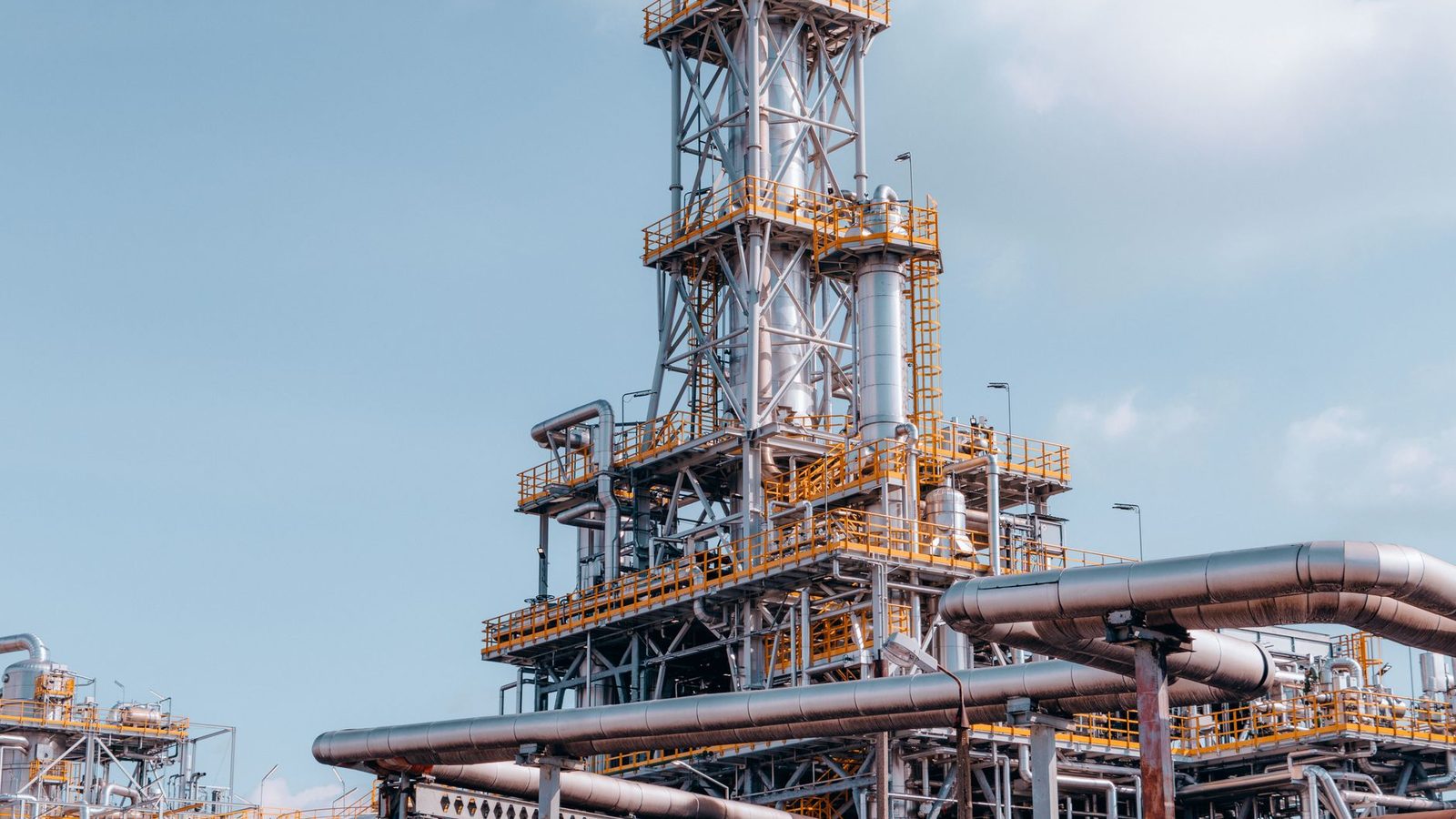
This is not a Brazilian corporate credit event. It is a global petrochemical overcapacity problem that just found its way onto a state oil company's balance sheet.
Braskem SA, Latin America's largest petrochemical producer, filed an out-of-court restructuring in a São Paulo court in August 2026 covering roughly R$56.5 billion in financial claims, close to US$10.9 billion. At filing, creditors holding only 39.6% of that debt had signed on. The company committed to a timetable: a detailed proposal by the end of August, in-person meetings with creditor representatives in September, and an agreement in principle on commercial terms by October 9. That deadline has now arrived, and reports indicate creditor groups are resisting the terms on the table.
The mechanism: consent thresholds, not goodwill, decide this
Brazil's recuperação extrajudicial process does not require unanimous creditor support to bind dissenters into a plan. It requires a supermajority. Thirty nine point six percent at filing is a floor, not a mandate. Every week that passes without that number moving meaningfully higher is a week in which the company's leverage to dictate terms to holdout creditors weakens, because the alternative to a negotiated out-of-court deal is a formal, court-run process that strips the company of the one thing it has been protecting all year: control over the sequence and terms of its own restructuring.
Braskem's own numbers show why creditors have room to hold out. The parallel Mexican subsidiary case, Braskem Idesa, is running a prepackaged Chapter 11 in the United States targeting a reduction of senior debt from approximately $2.5 billion to $1.6 billion, with the parent contributing fresh capital and DIP financing converting into equity at emergence. That process gives every creditor group in the larger Brazilian negotiation a live, priced template for what recovery terms look like when a court, not a negotiating table, sets them. Holdouts are not guessing at their downside. They can read it off a docket.
The second order effect: Petrobras is the real collateral
The structural move here is that Brazil's state oil company is being asked to absorb private-sector petrochemical distress through its own balance sheet. Petrobras, alongside the Novonor-linked vehicle Shine I, is one of Braskem's two main shareholders, and it has separately been negotiating a commercial credit line to fund feedstock purchases to keep plants running through the restructuring. That is not a passive equity stake taking a mark-down. It is a national oil company extending working capital into a subsidiary whose core problem is years of compressed polyethylene and ethylene margins driven by capacity additions elsewhere in the world. The restructuring headline is about Braskem's bonds. The transmission mechanism runs through Petrobras's commercial exposure, and that is the line item that converts an industrial margin story into a sovereign-adjacent credit question.
B3 removing Braskem from 17 indices in late August was the first visible proof that this had stopped being a normal corporate credit workout. Index exclusion is a governance and free-float mechanism, not a verdict on recovery value, but it forces passive and index-tracking capital out of the name regardless of where the restructuring lands. That is forced selling with no view on fundamentals attached to it, and it is already behind us. What is ahead is the harder question: whether international bondholders accept terms that price in years of margin compression, or push the company toward the formal process its Mexican subsidiary is already demonstrating the cost of.
A missed agreement-in-principle deadline is a negotiating data point, not a verdict. The number that matters is how much the 39.6% figure moves in the weeks after it.
The honest counter-case
Petrobras and Novonor both have strong reasons to avoid a disorderly outcome. A formal court-run restructuring would likely cost more in fees, time, and operational uncertainty than either shareholder wants to underwrite, and Braskem Idesa's relatively orderly prepack shows that a structured path to emergence is achievable when the controlling shareholder funds the gap. If Petrobras's credit line and capital commitments clear internal approvals and the detailed plan terms narrow the distance between the company and holdout creditors, this resolves as a slower version of a deal already largely agreed in substance. The deadline slipping does not, by itself, tell you which outcome wins.
What we are watching
A delta-neutral volatility book does not take a view on Braskem's bonds directly. It watches whether petrochemical sector margin stress and emerging-market corporate credit events of this size start correlating with moves in US-listed materials names and cross-asset implied volatility, because that correlation is the actual channel through which a Brazilian restructuring becomes relevant to a book that trades SPX options and ES futures. If the consent threshold does not move materially above 40% in the next reporting window, that is a direct signal the remaining 60% of claims are being held against a recovery value well below what the company's current plan assumes.
Common questions
What is Braskem restructuring and why is it in the news now
Braskem SA, Brazil's largest petrochemical producer, filed an out-of-court restructuring in São Paulo in August 2026 covering roughly R$56.5 billion (about US$10.9 billion) of financial debt. The company set a target of October 9, 2026 to reach an agreement in principle with creditors, and reports indicate some creditor groups are resisting the proposed terms as that date arrives.
Who owns Braskem and who is on the hook for its debt
Braskem's main shareholders are Shine I, a vehicle tied to the controlling Novonor group, and Petrobras, Brazil's state-controlled oil company. Petrobras has separately been negotiating a commercial credit line to help fund feedstock purchases, which ties the national oil major's balance sheet directly to the petrochemical unit's cash needs.
What is Braskem Idesa and how does it relate to the Brazilian restructuring
Braskem Idesa is the Mexican polyethylene joint venture between Braskem and Mexican partner Inbursa. It filed a separate prepackaged Chapter 11 case in the United States targeting a reduction of senior debt from roughly $2.5 billion to $1.6 billion, with Braskem as parent contributing new capital. It runs on its own court timeline but is being watched as a template for recovery outcomes in the larger Brazilian process.
Why did Braskem shares get removed from stock indices in Brazil
B3, the Brazilian exchange, removed Braskem from 17 indices effective August 26, 2026, following the company's out-of-court restructuring filing. Index removal of this kind typically follows a formal insolvency-related filing and reflects the governance and free-float disqualifications tied to that status, not a judgment on the restructuring's eventual outcome.
Does a failed restructuring deadline mean Braskem is heading into bankruptcy
A missed deadline for an agreement in principle does not automatically force a formal bankruptcy. Brazil's recuperação extrajudicial process allows the parties to keep negotiating and amend plan terms, and the company has already used court-ordered stays and extensions once this year. Whether talks continue, harden, or escalate toward a court-supervised process depends on creditor-group dynamics that are still unresolved.
How does petrochemical industry oversupply connect to Braskem's debt problem
Global polyethylene and related petrochemical margins have been under sustained pressure from new capacity additions, particularly out of Asia, compressing cash generation for producers reliant on naphtha-based feedstock like Braskem. That margin compression, not a single bad quarter, is what pushed the company toward a capital structure that its own cash flows could no longer service.