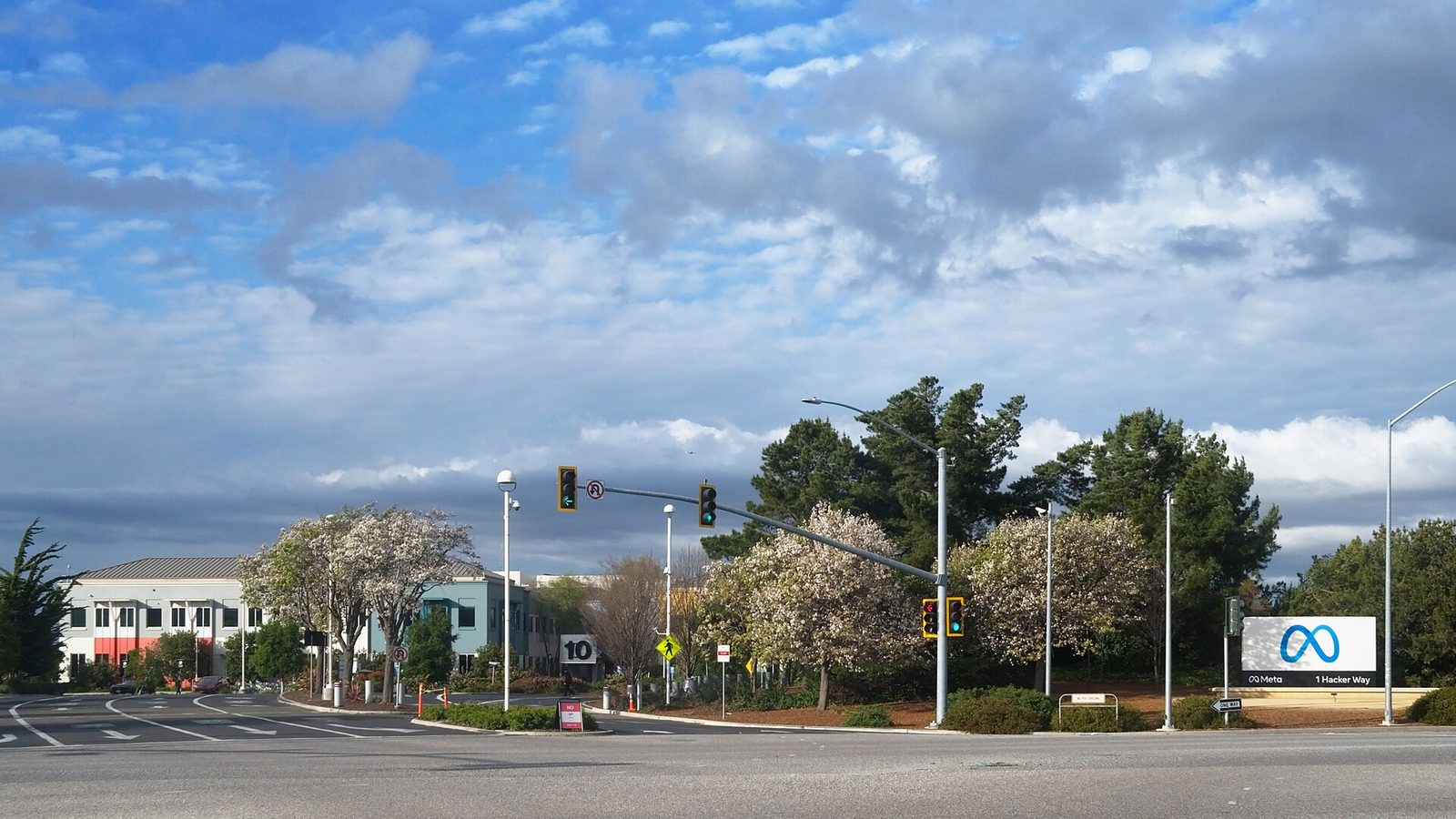
The credit market, not the cash flow statement, is now the binding constraint on the AI buildout. That is the only honest reading of Meta Platforms selling thirty billion dollars of investment grade bonds in one of the largest corporate debt offerings on record, with order books running well past one hundred billion dollars.
Meta priced a multi tranche bond sale to help fund its data center expansion, and investors showed up in force. The deal was several times oversubscribed, the kind of demand that normally signals a company borrowing at the cheapest possible cost. Meta also structured a separate, multi billion dollar off balance sheet financing arrangement with a private credit partner for its Hyperion data center campus in Louisiana, holding a minority equity stake while leasing back the facility it is paying to build.
Why a cash rich company borrows at all
Here is the mechanism. Hyperscaler capital expenditure on AI infrastructure has grown faster than even the largest free cash flow generators in US equities can fund internally. When capex outruns operating cash flow, a company has three choices: cut the spending plan, issue equity, or issue debt. Meta chose debt, and it chose a second layer that does not appear on the balance sheet at all: a joint venture structure that moves the asset, and much of the liability, off its own books while Meta still consumes the output.
This is not a financing convenience. It is a structural admission. The AI capex cycle has crossed the threshold where it can no longer be funded purely from the income statement of the companies running it. It now requires the balance sheet, and increasingly it requires someone else's balance sheet.
The second order effect: AI capex now has a credit spread attached to it
This is the part that matters for risk pricing in US equities and rates. Once a hyperscaler funds its data center build with bonds and private credit vehicles rather than retained cash, the pace of that build becomes sensitive to the price of credit, not just the appetite for AI. A widening in investment grade spreads, a repricing of private credit for infrastructure assets, or a ratings agency reassessment of off balance sheet lease obligations now transmits directly into capex guidance. That channel did not exist in the same way three years ago, when hyperscaler capex was funded almost entirely out of pocket.
The evidence is already visible in the structure of the deal itself. A company with Meta's cash generation does not need an off balance sheet joint venture to build a data center. It builds one because the scale of the commitment is now large enough that management wants it outside consolidated leverage metrics. That choice is itself the signal. The size of the capex has outgrown the comfort of putting it directly on the parent company's books.
Oracle's debt told a version of the same story earlier this year, when bonds issued to fund AI infrastructure commitments tied to cloud computing contracts traded with spreads that reflected genuine leverage concern, not routine issuance friction. The pattern is the same across the sector: capex commitments are increasingly funded by debt instruments whose pricing depends on credit market conditions that have nothing to do with advertising revenue, cloud margins, or chip demand.
The AI capex cycle has stopped being a story about free cash flow and started being a story about the price of credit.
The honest counter case
None of this means the financing is fragile. Meta's order book cleared several times over, which argues the opposite: institutional credit investors have ample appetite for investment grade tech paper at current spreads, and the company retains an extremely strong balance sheet with top tier credit ratings. A bond sale that is heavily oversubscribed is not a company under funding stress; it is a company borrowing opportunistically because the cost of debt is still cheap relative to the return it expects on the asset. If AI infrastructure continues to generate the revenue hyperscalers are underwriting it to, the debt load is simply efficient capital structure, not a warning sign. For this analysis to be wrong, the revenue backing the capex needs to arrive roughly on the timeline the issuers are assuming.
What we are watching next
Komey Tetteh has tracked this shift from the volatility desk since the first hyperscaler bond deals started pricing wider than their issuers' cash generation seemed to justify. The number to track from here is not the headline size of the next hyperscaler bond deal. It is the spread at which that debt clears relative to where Meta priced, and how ratings agencies begin to treat off balance sheet data center joint ventures when they assess consolidated leverage. If those vehicles start getting pulled back onto issuer balance sheets for ratings purposes, the true debt load behind the AI buildout will look materially larger than today's headline figures suggest.
If the companies building the AI infrastructure of the next decade are now financed the way utilities and toll roads have always been financed, the question worth asking is simple: what happens to the pace of that buildout the first time credit, not compute, becomes the scarce input?
Common questions
Why did Meta sell $30 billion in bonds?
Meta issued a multi tranche bond offering to help fund its data center expansion for AI infrastructure, after capital spending plans grew large enough to exceed what the company could comfortably fund from operating cash flow alone.
What is Meta's off balance sheet data center deal?
Meta structured a separate financing arrangement with a private credit partner for its Hyperion data center campus in Louisiana, taking a minority equity stake in a joint venture while leasing back the facility rather than carrying the full cost directly on its own balance sheet.
Is Meta's bond sale a sign of financial stress?
No. The deal was reported to be several times oversubscribed, which indicates strong institutional demand for Meta's debt rather than difficulty raising capital. Meta also retains a top tier credit rating and substantial free cash flow generation.
Why are tech companies suddenly issuing so much debt for AI?
AI data center capital expenditure across the largest hyperscalers has grown faster than even the biggest cash generators in US equities can fund internally, pushing companies that historically relied on cash reserves toward bond markets and private credit structures instead.
How does hyperscaler debt affect the broader AI buildout?
Once AI infrastructure is funded through bonds and private credit vehicles rather than retained cash, the pace of construction becomes sensitive to credit market pricing, meaning a shift in spreads or private credit appetite can directly influence future capex guidance.
Did other tech companies see credit spread pressure from AI debt?
Earlier in the year, bonds issued by Oracle to fund AI infrastructure commitments traded with spreads that reflected genuine leverage concern among credit investors, illustrating that debt funded AI capex now carries its own credit risk premium.