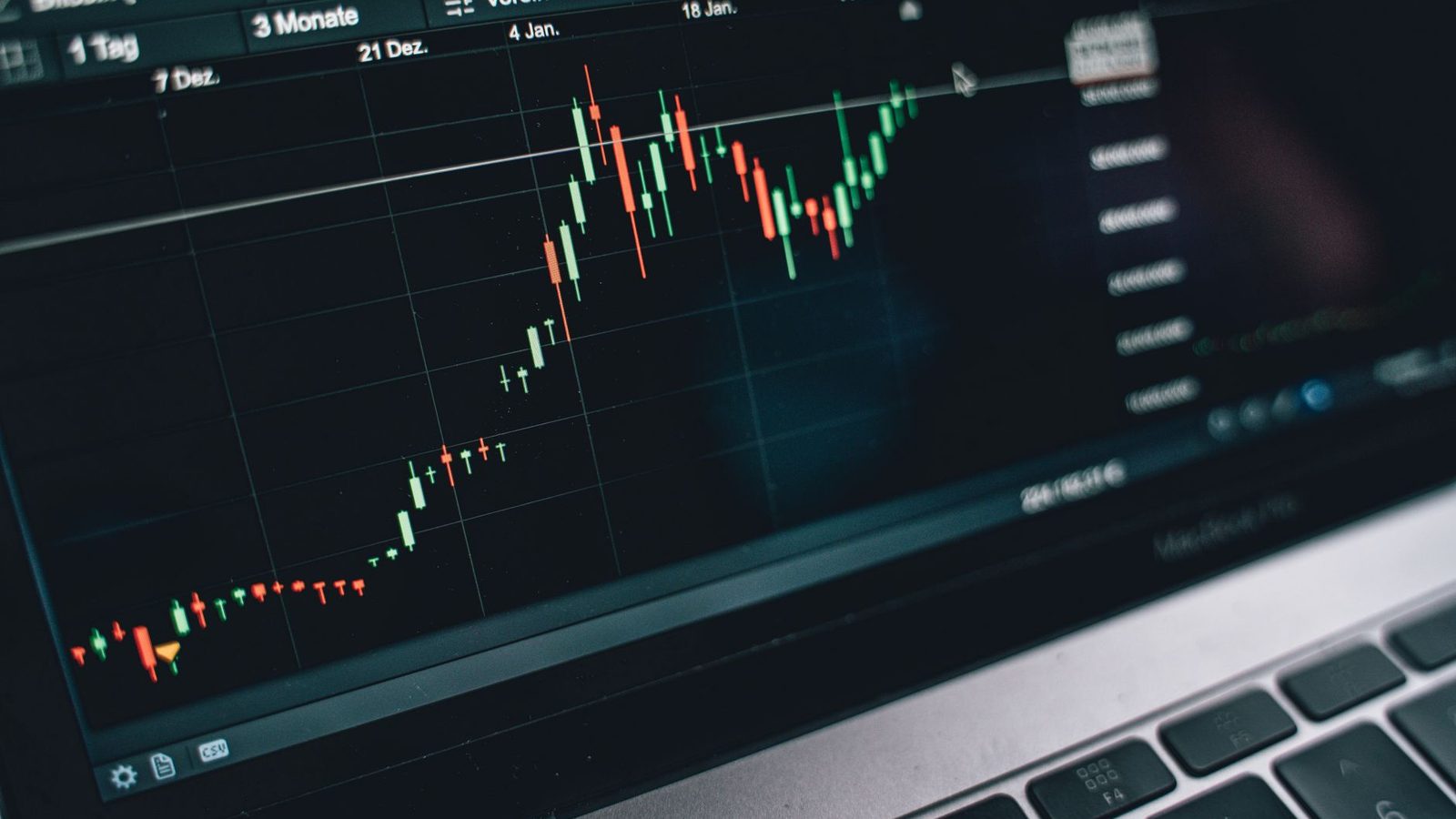
Positioning data told you the drop was coming before the headline did. That is the entire point of watching flows instead of forecasts.
Hedge funds and other money managers trimmed their bullish crude oil bets in the days ahead of the election, and crude fell on the day itself. The sequence matters more than the headline. A price drop that follows a positioning reduction is a different animal from a price drop that follows a positioning buildup, even when the candle on the chart looks identical.
The mechanism: length is insurance, and insurance gets cancelled before the storm
Net long positioning in WTI and Brent futures is not a prediction, it is a cushion. When money managers hold a large net long book, that length functions as standing demand. Sellers into a falling tape meet buyers who are already positioned and willing to average in. Pull that length out and the cushion disappears. The same news that would have produced a shallow dip now produces a sharper one, because there is nobody structurally long and ready to buy the first leg down.
This is why the order of events matters. Funds reducing bullish exposure ahead of a known catalyst, in this case an election, is a derisking move, not a forecast. It is the futures market equivalent of cutting delta before an earnings print. You are not calling the direction, you are refusing to hold directional risk through a binary event. The CFTC Commitments of Traders report is the cleanest public window into this behavior, because it isolates money manager net length from commercial hedging flows that exist for entirely different reasons.
The second order effect: volatility was mispriced, not direction
The interesting trade here was never whether oil would go up or down on election day. It was whether implied volatility in crude options reflected the actual tail risk sitting in the futures positioning data. A market where speculative length has already been cut into an event is a market where the realized move, when it comes, tends to outrun what options were pricing in the days before. This is the same dynamic our desk tracks daily in SPX and ES: compressed implied volatility ahead of a known date, followed by a realized move that resets the term structure.
Crude's term structure and options skew around binary political catalysts behave the same way equity index vol behaves around FOMC or CPI. The event itself is rarely what moves the tape the most. It is the gap between what was priced and what was positioned. When funds have already de-risked, the move on the day is less about new information and more about the absence of a buyer who would normally have absorbed the first wave of selling.
This is a positioning story, not a fundamentals story.
The honest counter case
For this reading to be wrong, the drop would need to be driven primarily by a genuine supply or demand shock on the day itself, independent of the positioning setup, a surprise inventory build, an OPEC signal, or a demand data miss large enough to move price on its own regardless of who was positioned how. If fundamentals did the heavy lifting, the positioning unwind becomes a footnote rather than the mechanism. Markets rarely offer a clean single cause, and crude in particular trades on a wide set of inputs: refinery margins, freight costs, the dollar, and geopolitical risk premium layered on top of pure supply and demand. Treat the positioning read as one input, not the whole explanation.
What we are watching next
The next Commitments of Traders release will show whether money managers used the drop to rebuild length at lower prices or stayed on the sidelines. Rebuilding into weakness signals the move was viewed as a positioning flush rather than a regime change. Staying flat or going shorter signals something more durable is being priced into the curve. Either way, the lesson travels well beyond crude: when length is pulled ahead of a scheduled event, the risk left standing is the risk that the unwind was built to shed.
Komey Tetteh writes on the mechanics connecting global events to positioning across volatility and derivatives markets.
Common questions
Why did oil prices fall on election day?
Crude fell as hedge funds and other money managers had already trimmed their bullish positions in the days before the vote, according to reporting on futures positioning data. When speculative length is reduced ahead of an event, there are fewer buyers left to absorb selling pressure once the event resolves, which can make the move sharper than the news itself would justify.
What does it mean when hedge funds reduce bullish bets on oil?
It means money managers are cutting their net long positions in crude oil futures and options, typically tracked through weekly Commitments of Traders data published by the CFTC. A reduction in net length lowers the amount of built in buying support in the market and often precedes a period of lower realized volatility followed by a sharper move once a catalyst arrives.
How does hedge fund positioning affect oil prices?
Hedge fund positioning affects oil prices by changing how much latent buying or selling pressure sits in the futures market at any given time. When funds are heavily net long, the market has a cushion of standing demand; when that length is pulled, prices become more sensitive to small shifts in news flow, inventory data or macro catalysts.
Is a hedge fund unwinding oil positions a bearish signal?
An unwind of long positions is not automatically bearish by itself, it reflects reduced conviction or risk appetite rather than a directional call. The more reliable signal is what happens to volatility and term structure around the unwind, since compressed implied volatility ahead of an event followed by a realized move is the pattern that tends to repeat.
What is the CFTC Commitments of Traders report and why does it matter for oil?
The Commitments of Traders report is a weekly release from the Commodity Futures Trading Commission that breaks down futures and options positioning by trader category, including money managers, commercial hedgers and swap dealers. It matters for oil because shifts in money manager net length are one of the clearest available proxies for speculative sentiment and crowding in the crude futures market.