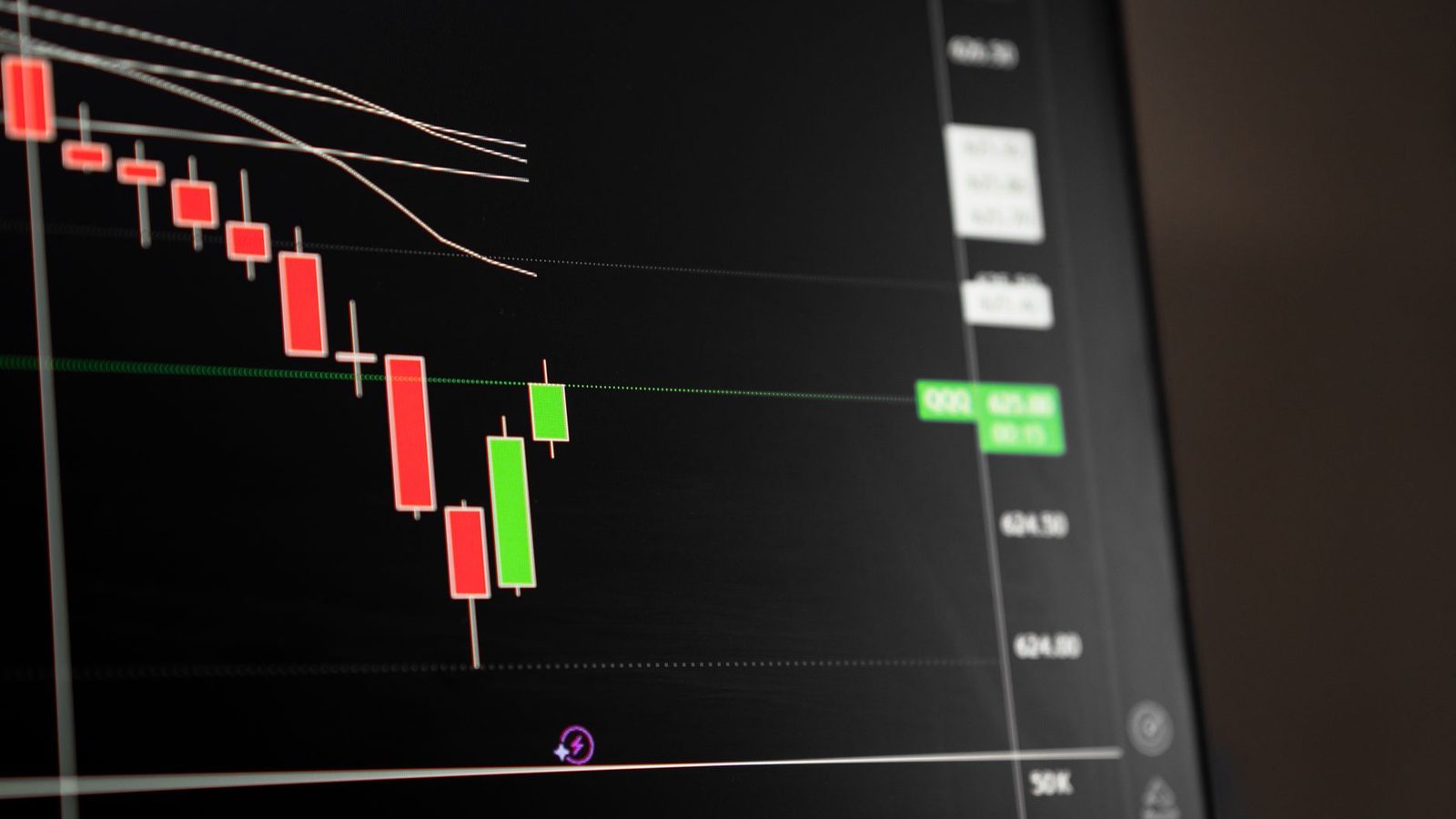
This is a gap risk story, not an access story. The headline framing, more hours for retail convenience, misses the mechanism entirely.
Cboe Global Markets opened pre-market trading in single-stock options on October 19, running from 7:30 a.m. to 9:25 a.m. ET, with a short 4:00 to 4:15 p.m. post-market window layered on top. The initial list covers 24 stocks and 5 ETFs, including every Magnificent Seven name, Taiwan Semiconductor and Alibaba ADRs, and index-tracking ETFs. In the first session, over 16,000 lots changed hands, led by the Invesco QQQ Trust and the iShares Russell 2000 ETF, with Tesla the most active single name. Cboe chose this roster because those names already carry roughly 53 percent of average daily US-listed options volume, so the exchange built the new session around the flow that already exists rather than trying to create new flow from nothing.
The mechanism: hedging finally matches price discovery
Equity shares have traded before the opening bell for years. Options on those same shares did not. That mismatch meant a position holder watching a stock gap on an earnings miss or a macro print at 8 a.m. had no listed instrument to adjust with until the 9:30 open. The delta was moving. The hedge could not follow it. That forced risk to accumulate silently for two hours and then discharge all at once into the opening auction, which is exactly where realized volatility in megacap names has tended to concentrate.
Extending the options session closes that window. A market maker short gamma on Tesla ahead of a pre-market headline can now trade the option itself during the move, not just the stock, and adjust a hedge continuously rather than guessing at a static price until the bell. That is a structural change to how risk gets transmitted from news to price, independent of what the news actually is.
The composition of day-one volume supports this reading directly. QQQ and IWM are not earnings stories. They are broad index proxies, the instruments a desk reaches for to hedge macro exposure before a data release rather than to speculate on a single company. Tesla's presence alongside them fits the same pattern: it is the single name with the highest realized gap risk in the group, the one most likely to move hardest on a headline that lands before the open.
The opening bell has functioned as a volatility choke point for as long as single-stock options have existed. This is the first structural attempt to relieve that pressure, not reroute it.
The second-order effect: the open stops absorbing all the risk
If dealers can hedge gamma continuously from 7:30 a.m. instead of discharging it all at 9:30, the volatility that currently concentrates in the first few minutes of the regular session should, over time, distribute more evenly across the pre-market window instead. This is a meaningful shift for short-dated options, particularly the weeklies and zero-day contracts where open-interval gamma has been the dominant driver of realized moves. A delta-neutral book, the kind that runs across SPX options and ES futures, cares less about where volatility shows up than whether it can be hedged as it happens. A session that lets gamma get managed in real time rather than jumping at a single print is a lower-friction environment for that kind of book, even before a single basis point of implied volatility moves.
The honest counter-case
Sixteen thousand lots across 29 instruments in two hours is thin. For this to actually compress open-interval gamma risk, liquidity has to deepen enough that market makers can rely on the session rather than treat it as a sideshow. Cboe's own history here counsels caution: the launch slipped twice before finally going live, a sign that clearing and broker readiness were not trivial problems. If spreads stay wide and participation stays shallow, the session becomes a venue for a handful of algorithmic and retail flows rather than the institutional hedging channel the mechanism requires. In that scenario, the opening bell keeps its grip on volatility and nothing about options pricing actually changes.
What changes that calculus is volume growth over the next two or three months, specifically whether market maker participation deepens during the pre-market window on days with scheduled catalysts. Komey Tetteh will be watching open-interval realized volatility in the newly eligible names against their historical pattern. If the gap closes, it closes quietly, in a metric rarely tracked in real time. Are you watching the right ten minutes of the trading day, or the one that used to matter most?
Common questions
What did Cboe launch on October 19, 2026?
Cboe Global Markets opened a pre-market trading session from 7:30 a.m. to 9:25 a.m. ET and a post-market session from 4:00 p.m. to 4:15 p.m. ET for options on 24 single stocks and 5 ETFs, including the Magnificent Seven, Taiwan Semiconductor, Alibaba, and index-tracking ETFs.
How much volume traded in the first pre-market options session?
Cboe reported over 16,000 lots traded between 7:30 a.m. and 9:25 a.m. on launch day, with the Invesco QQQ Trust and iShares Russell 2000 ETF options the most active, followed by Tesla contracts.
Why does extended options trading matter if stocks already trade pre-market?
Equity shares have traded before the 9:30 a.m. open for years, but listed single-stock options did not, which meant anyone holding an options position had no way to adjust it when pre-market news moved the underlying stock. The new sessions close that gap by letting options trade in the same window as the shares.
Which stocks and ETFs are included in Cboe's extended options sessions?
The initial list covers 24 single stocks, including all of the Magnificent Seven names plus Taiwan Semiconductor and Alibaba, and 5 ETFs, among them the Invesco QQQ Trust and the iShares Russell 2000 ETF. Cboe selected the names based on which already account for the bulk of US-listed options activity.
Was this the first attempt to launch pre-market options trading?
No. Cboe originally targeted a July 2026 launch, pushed it to August 17, then postponed that date as well before the session finally went live on October 19, 2026, following approvals from the SEC and the Options Clearing Corporation.
Does this change how options are priced?
The sessions are too new and volume too thin to draw conclusions about pricing yet. What they do is remove a structural blind spot in the trading day, and how dealers and market makers use that window over the coming months is what determines whether pricing behavior actually shifts.